

Inner Mothering Group for Parentified Daughters
— A 12-week virtual group for women ready to feel “enough” and set boundaries
You learned to read a mood before you learned to read a book.
You've met every expectation and built a life that looks put-together
— and still feel like you're bracing for something.
You know what everyone else needs better than you know what you need.
You've done the work. Read the books. Been in therapy. And you're still overthinking, still people-pleasing, still not sure how to just... rest.
Somewhere along the way, taking care of everyone else became your identity.
And you're tired.
If this sounds familiar, you're not alone. You're in the right place.
What Is a Parentified Daughter?
A parentified daughter is someone who had to take on adult responsibilities, whether emotional, physical, or logistical caretaking of a parent or siblings, often beginning in childhood, long before she was developmentally ready for that role.
For some, it meant keeping the household running or becoming the reliable one everyone leaned on. For others, it looked like managing a mother's moods or learning to be without needs.
These roles often developed in response to family circumstances: limited resources, a parent's emotional unavailability or immaturity, illness, addiction, or other challenges within the family.
How the Mother Wound Shows Up Now
The mother wound is not what your mother did to you. It is the belief about yourself that you came to internalize.
The mother wound doesn't stay in childhood. It follows you into adulthood, showing up in the relationships where you over-function, the job where you can't say no, and the quiet voice that tells you your worth is tied to how useful you are. It shows up as difficulty receiving help, discomfort with rest, and a nagging sense that you're never quite enough, no matter how much you do.
This isn't about blaming your mother. It's about understanding the pattern, so you can finally put it down.
What Is Inner Mothering?
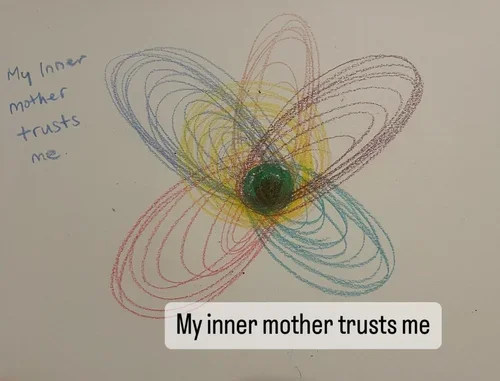
An important part of this group is learning to practice inner mothering by healing the mother wound, the limiting beliefs we absorbed from our relationship with our mother.
These beliefs may sound like:
"My needs and feelings are not okay."
"It is not okay to fully claim myself."
"I am not good enough."
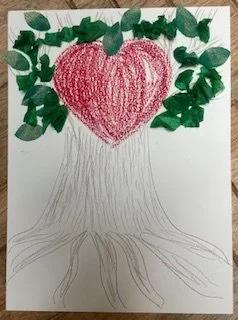
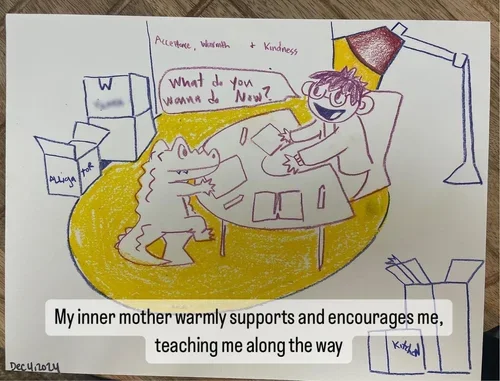
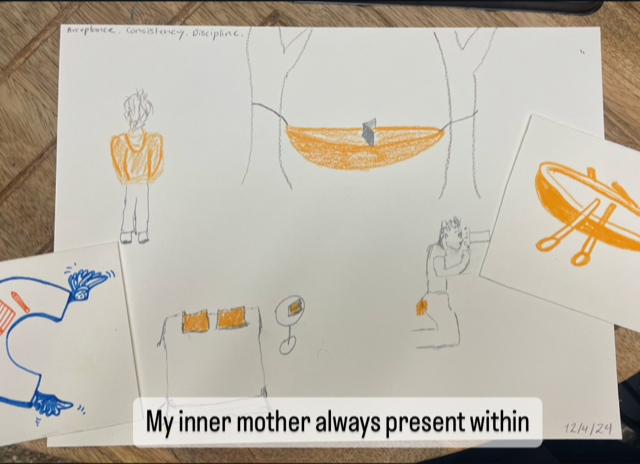
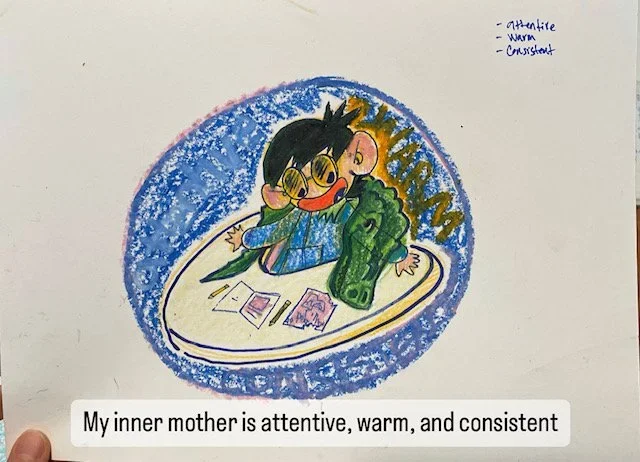
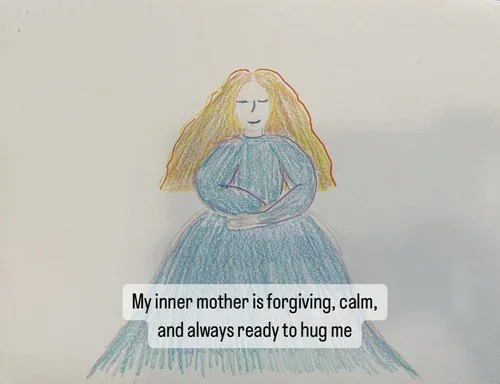
The inner mother is our intuition, the part of us that nurtures and provides for us. Inner mothering is the ongoing practice of raising our adult selves to meet our true potential and desires.
What You’ll experience
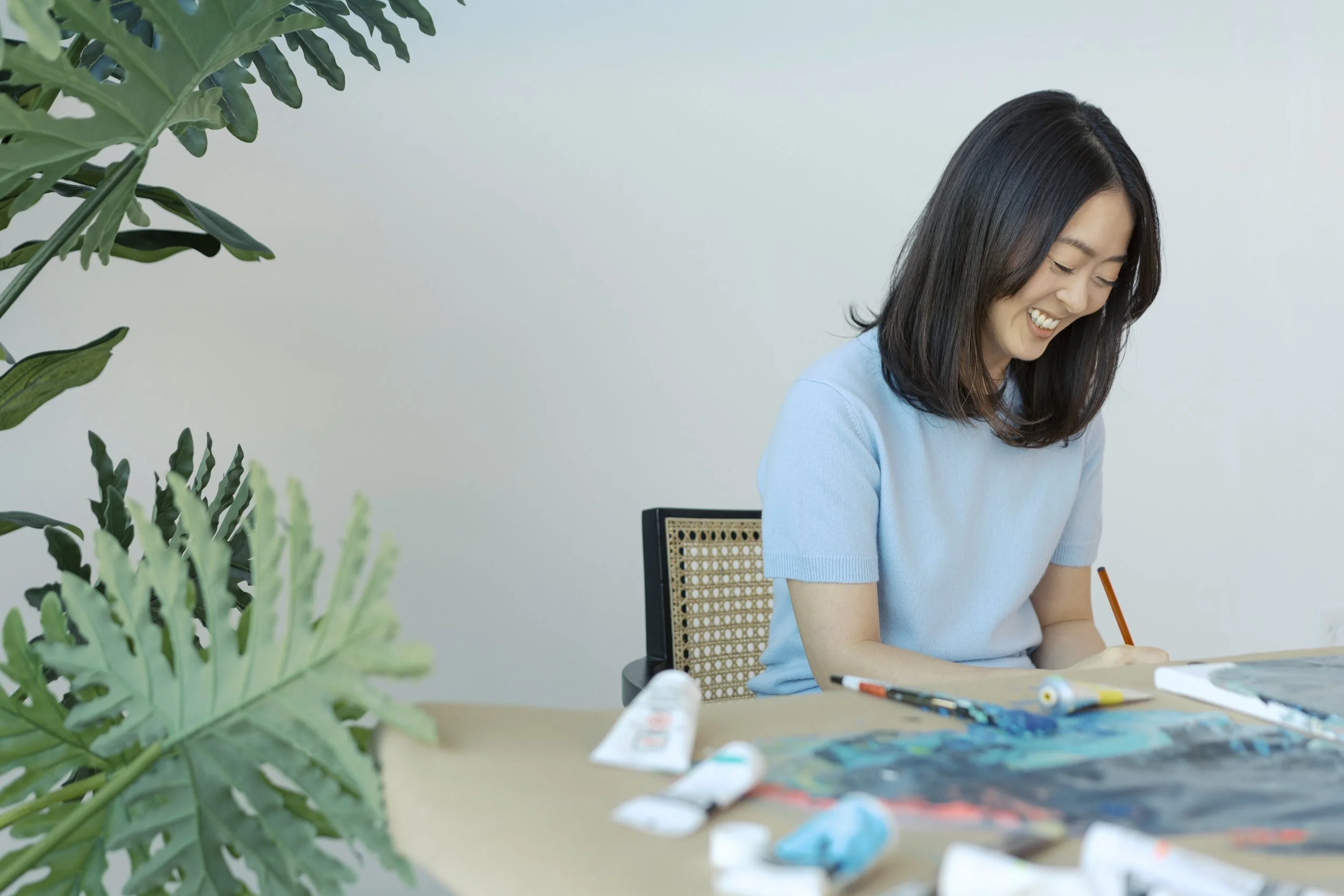
Live pattern recognition. In the group, you'll start to see your patterns in real time, not just talk about them in theory.
A strategy that's yours. You'll choose your own personal "new strategy" to practice — taking up space, setting boundaries, prioritizing yourself — the specific shift that's calling you.
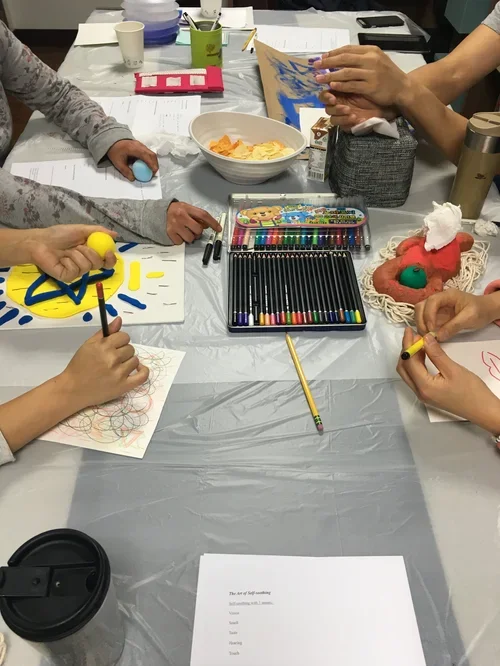
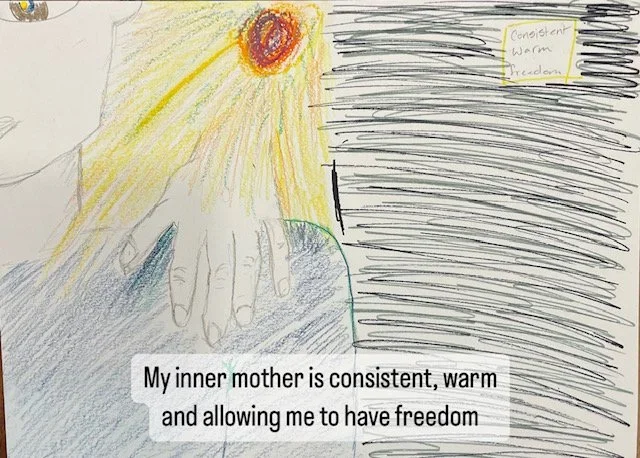
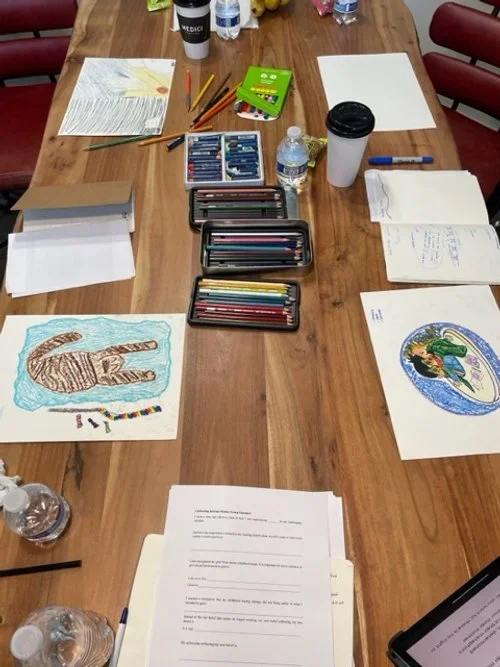
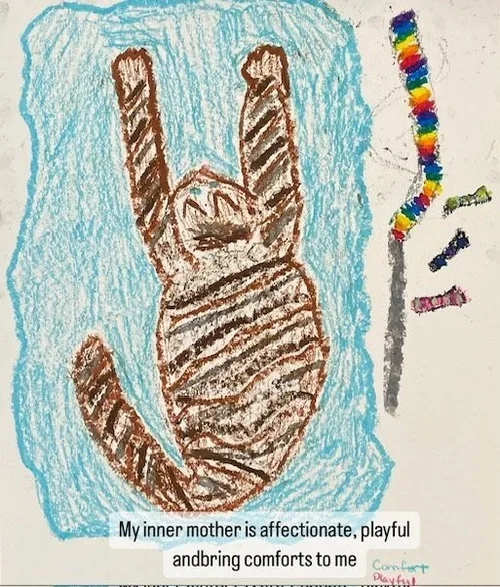
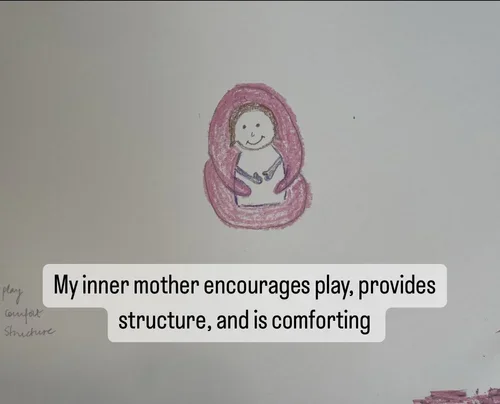
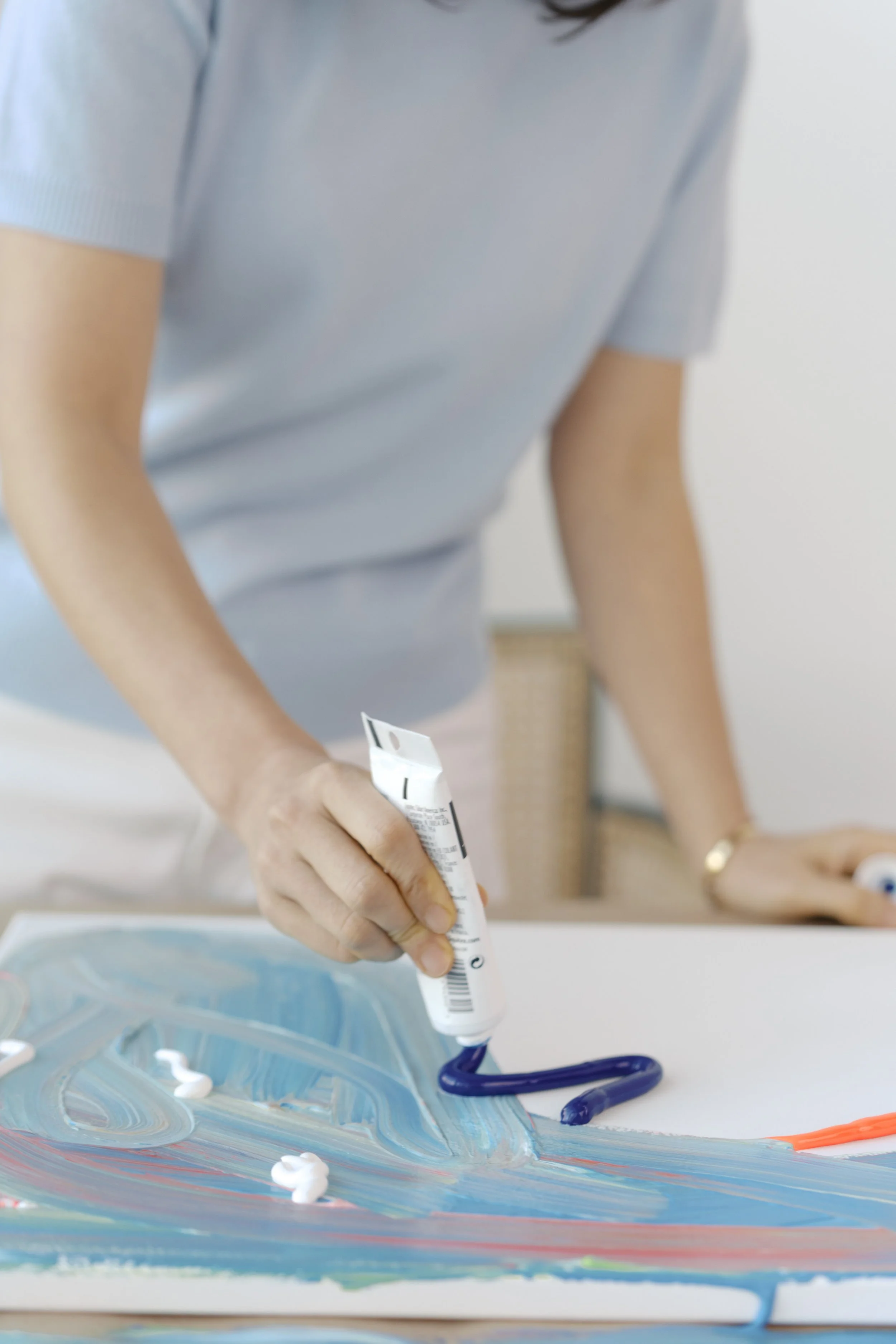
Guided art-making and reflection. You'll practice that strategy through intentional, guided art-making. No art experience required, just a willingness to show up.
A held, consistent container. A weekly rhythm with the same group of women, walking the same path alongside you, so you're never doing this alone.
What You’ll Gain:
You'll walk away with self-trust that's actually yours, not the version you built to keep your mother or everyone else okay.
By the end of 12 weeks, you'll have:
Clarity on the pattern you've been living inside of
A new strategy that's accessible to you: not just understood, but practiced
A felt sense of "enough": not just the idea of it, but the experience of it
Group Details
When
Tuesdays, 6:00- 7:30 PM CT
Where
Virtual, meeting on Zoom
Dates
September 22 - December 8, 2026 (12 weeks)
States
Currently accepting participants in IL & TX
Investment
$200 intake session, then $100/session for 12 weeks (charged after each session; limited sliding-scale slots available). One 50-minute individual check-in session is included at no additional cost.
This group is the right fit for you if:
You identify with the parentified daughter description
You've done individual therapy and still feel stuck in old patterns
You're ready to practice something new, not just understand it intellectually
You're open to a creative, reflective process (no art background needed)
This group may not be the right fit if:
You're currently in acute crisis and need individual, higher-level support first
You're not ready to commit to a shared, consistent group container for 12 weeks (We get that life happens. What matters most is your commitment to showing up, not perfect attendance.)
You are the one you have been waiting for.
You've spent so long taking care of everyone else. This is where you finally get to be held, not needed.
Spots are limited. Schedule your intro call today.

Are you an art therapist interested in facilitating an Inner Mothering group?
Fill out this contact form to learn more.
Frequently Asked Questions
-
This group isn't about making good-looking art. Art-making provides a space to experiment and practice your new strategy- and myself and the group will provide you with guidance and support if you're feeling lost or stuck in the process. No art experience required, just a willingness to show up.
-
It is a 20-minute conversation to make sure the group is the right fit for you, and to answer any questions before you commit.
-
I do not accept insurance at this time. However, if you have out-of-network benefits, your insurance company will typically reimburse 60–80% of the session cost after you've met your deductible.
Superbills for insurance reimbursement are available upon request, sent monthly or as otherwise discussed.
I'd be happy to check your benefits for you, just have your insurance ID number ready during our intro call!
-
If you have out-of-network benefits, your insurance company will typically reimburse you for 60-80% of the cost of each session after you’ve met your deductible.
I’d be happy to check your benefits for you! Just make sure to have your insurance card handy, with your Member ID, during our free intro call.
Or if you prefer, you can confirm the benefits of your health insurance plan, with your insurance provider directly. Just call the number on the back of your health insurance card listed under Member Services.You can ask them the following questions:
Do I have out-of-network outpatient mental health coverage? Am I able to use these benefits for telehealth?
What is my out-of-network deductible?
How much of my deductible has been met this year?
Do I need a referral from an in-network provider to see someone out-of-network?
What percentage of outpatient psychotherapy sessions are covered per session?
How do I submit claim forms for reimbursement?
How long does it take for me to receive reimbursement?
-
Yes, I reserve a limited number of sliding-scale spots in the group, and it is first come, first served. If you don't think you can afford my full fee, please don't hesitate to contact me.
-
Committing to the full 12 sessions is highly recommended. We also understand life happens. Absences due to unforeseeable circumstances are understood, and what matters most is your overall commitment to showing up for yourself and the group. If you do miss a session, there are ways to make up for the time, whether through homework or by using the 50-minute individual session with me that's included in the group.
-
That's completely normal, especially if you're used to managing everyone else's comfort before your own. This group is built to be a safe, consistent container, and you're never asked to share more than feels right for you.
-
Only what feels right to you, and only when you're ready. This group focuses on the pattern and how it shows up in your life now, not on retelling every detail of your history. We will also focus on practicing new strategies.
-
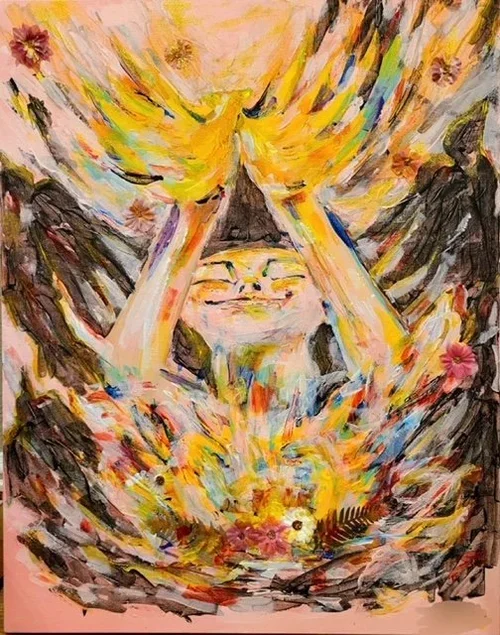
Our bodily sensations, our interoception, shape the tone, rhythm, and quality of our behaviors. Staying small may have been a necessary childhood strategy, but shifting from staying small to taking up space can feel unfamiliar, or even lead to freezing. Art-making and expressive therapy help you attune to these sensations and gently experiment with your own art of "taking up space," deepening both insight and experience.
"Wow… I didn't realize staying small takes this much work, and how simple taking up space can be when I just let myself be."
"I didn't realize being transparent could look so interesting instead of messy."
"Taking up space feels so freeing."
You might be surprised by how different your art of staying small is from your art of taking up space.
In the Inner Mothering Group, creative reflection is a core part of the process. Each session includes one art or writing activity to help you process and express what you're learning. You don't need to be artistic. The goal isn't to create something beautiful, but to connect more deeply with yourself.
-
Absolutely! Art therapy doesn’t require artistic talent. In fact, clients who may initially feel they aren’t suited for art therapy often experience powerful breakthroughs, as they can express themselves more freely without the interference of learned skills. This process can lead to insights and realizations that might be more difficult to access through talk therapy alone.
-
As the group nears its end, we'll have a discussion about the option to continue as an ongoing group for the spring term. You're welcome to continue if it feels right for you, or complete the group as is.
Still have questions about the group?
You're so welcome to schedule an intro call! I'd be happy to answer your questions.